
The Safest Way to Sell Your Stuff Online

The Safest Way to Sell Your Stuff Online
When people ask for the "safest" way to sell online, they usually get pointed to whichever platform is biggest. But size isn't safety. The safest way to sell is the one that best protects you from the two things that actually go wrong: getting scammed on payment, and dealing with anonymous strangers. Here's how the real options compare on that basis.
Quick answer: the safest setup is a marketplace that verifies who its users are, paired with secure payment and public meetups for local pickups. Everything else is you patching over a platform that doesn't know who's on it.
How the main options stack up on safety
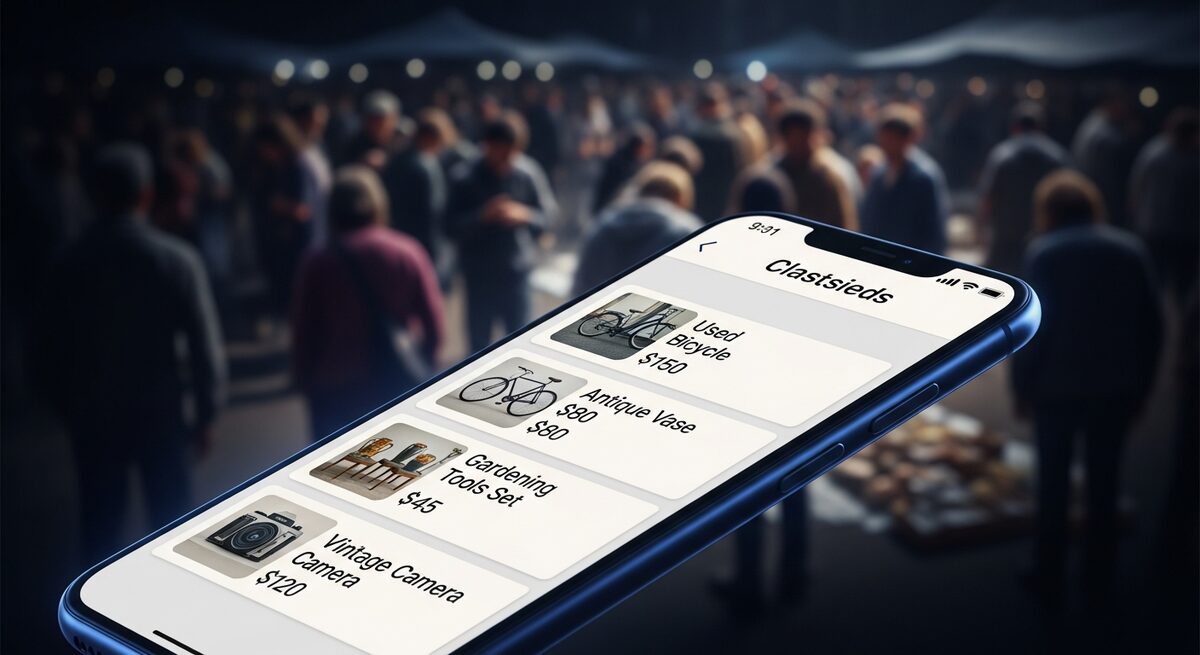
Open local marketplaces (Facebook Marketplace, Craigslist, OfferUp)
Huge reach, and that's the appeal. But there's no meaningful identity verification, so you inherit every scam that comes with anonymity — fake payment screenshots, overpayment tricks, verification-code theft, and no-shows. Safe if you're disciplined, but the platform does little to protect you. (See Common Facebook Marketplace Scams.)
Shipping-based platforms (eBay, Poshmark, Mercari)
These add buyer/seller protections and handle payment, which reduces certain scams. The trade-offs: fees, shipping hassle, and their own fraud flavors — chargebacks, "item not as described" claims, and return scams. Safer on payment, but slower and not free.
Peer payment apps as the "platform"
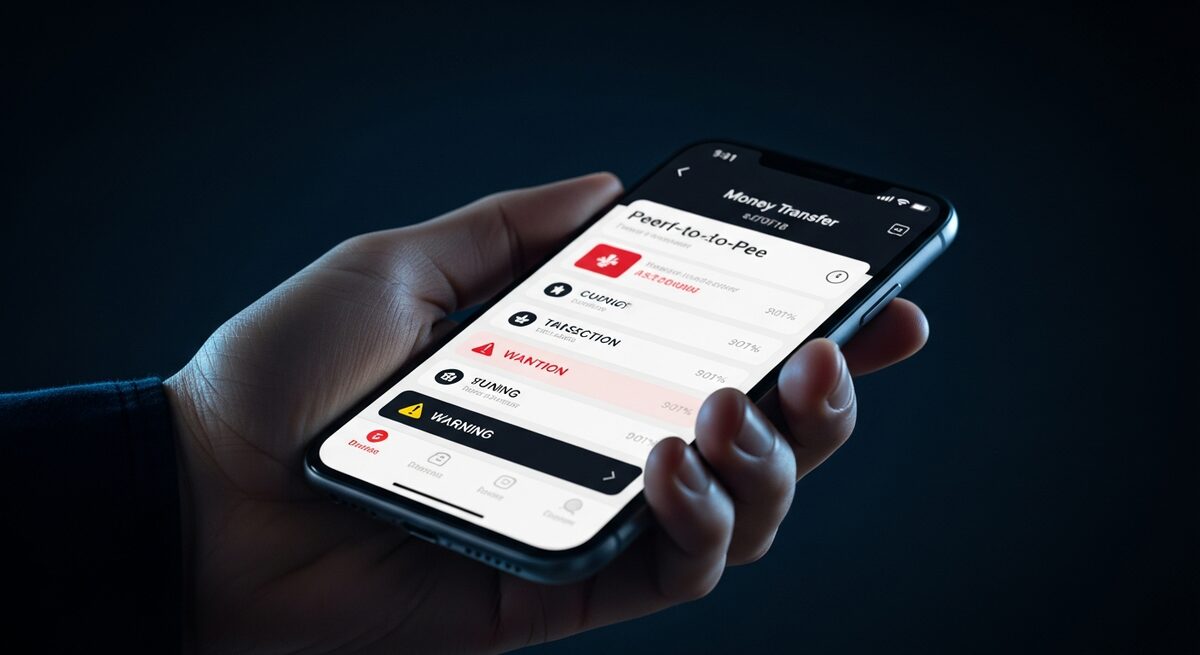
Selling to strangers and settling over Zelle, Venmo, or Cash App is one of the riskier combinations, because those apps are built for paying people you trust and offer little recourse when a payment is faked or reversed.
Verified, identity-checked marketplaces
This is the category most people overlook. When a platform confirms who its users actually are, the anonymous throwaway account — the engine behind most scams — simply can't exist. You still use good habits, but you're starting from a much safer baseline.
The habits that make any sale safer
Whatever platform you use:
- Confirm payment is really in your account before releasing an item — never trust a screenshot.
- Never share a verification code.
- Refuse gift cards, wires, and overpayments.
- For local pickups, meet in public during the day (see How to Meet Safely When Selling Locally).
- Keep records of the conversation and the transaction.
Why verification is the real safety upgrade
Look back at that list — nearly every habit exists to compensate for not knowing who you're dealing with. Remove that unknown and most of the risk collapses with it. That's why identity verification, not platform size, is the thing that actually moves the needle on safety.
For college students, that's exactly what College Marketplace is built around. Every member verifies as a current college student with a valid .edu email before they can browse, post, or message — so you're only ever dealing with real, accountable students from your own campus. Add reporting and blocking in a tap, and you get the safest baseline available to a student seller: a community where everyone is verified before the first message.
Bottom line
The safest way to sell online isn't about picking the biggest audience — it's about removing anonymity and using secure payment and public meetups. If you're a student, a verified student-only marketplace gives you that safer baseline by default.
Want the safest place to sell as a student? Get College Marketplace — verified students only, at your school.
Frequently asked questions
- What is the safest way to sell items online?
- The safest sales happen on platforms that verify their users' identities and support secure payment, combined with meeting in public for local pickups. For students, an .edu-verified, student-only marketplace is among the safest because everyone is a confirmed real student.
- Is it safer to sell locally or ship items?
- Both have trade-offs. Local sales let you inspect the buyer and get paid on the spot but require a safe in-person meetup. Shipping avoids meeting strangers but exposes you to fake-payment and chargeback scams. Safety comes from the platform and your habits more than the method.
- What's the safest payment method when selling?
- For in-person sales, cash is safest since there's no screenshot to fake. For digital payment, only accept it after confirming the funds actually arrived in your own account — never trust a screenshot or notification.
- Why is a verified marketplace safer?
- When every user's identity is verified, anonymous throwaway accounts — the source of most scams — can't exist. You know the person you're dealing with is real and accountable, which removes most fraud before it starts.