
Common Facebook Marketplace Scams Every Seller Should Know

Common Facebook Marketplace Scams Every Seller Should Know
Facebook Marketplace works by connecting strangers with almost no oversight — anyone can create an account in minutes, and nobody checks who they really are. That convenience is exactly what scammers exploit. If you buy or sell there, it's worth knowing the handful of scams that show up again and again, because almost all of them follow predictable patterns.
The short version: most Marketplace scams are variations on three moves — faking a payment, stealing your information, or pressuring you to skip your own safety rules. Once you can spot those, the specific scam names barely matter. Here's how they actually play out, and how to shut each one down.
Scams that target sellers
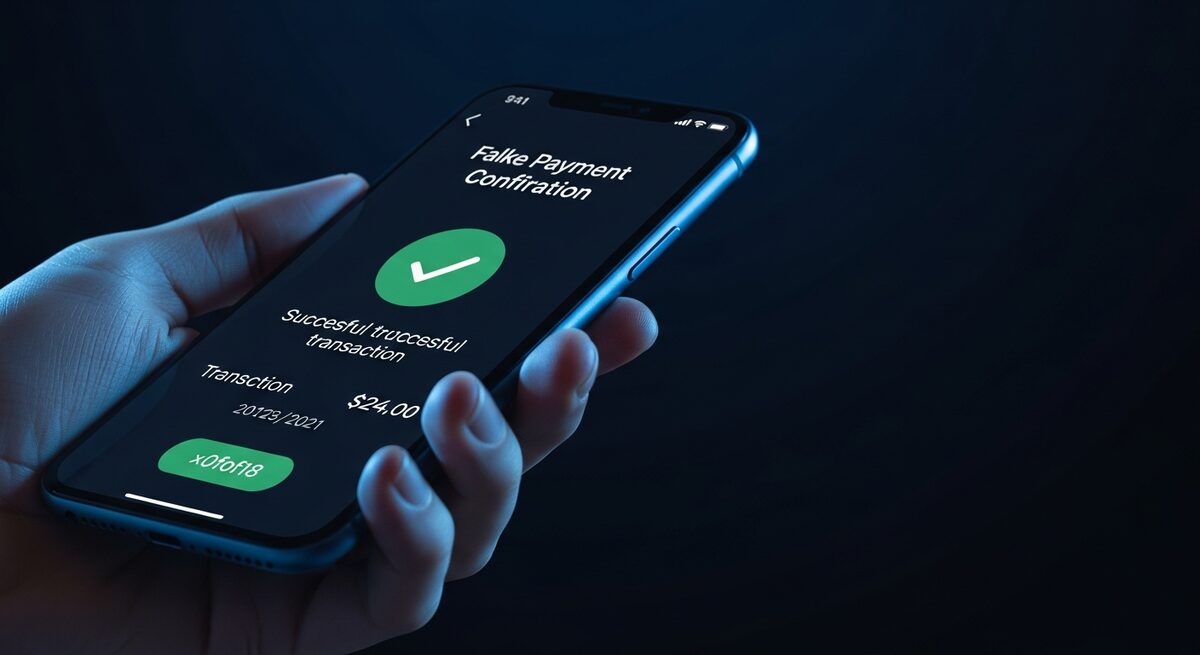
Fake payment screenshots
This is the big one. A buyer sends you a screenshot "proving" they paid — a Zelle confirmation, a payment app notification, an email receipt — and then wants the item before you've actually received anything. The screenshot is fake or edited. Rule: a screenshot is not payment. Open your own bank or payment app and confirm the money is really in your account before you hand anything over.
Overpayment refund scams
The buyer "accidentally" sends more than your asking price, then asks you to refund the difference. The original payment is fake or will later be reversed, but the refund you send is real — so you're out the difference. Legitimate buyers don't overpay. If it happens, cancel the sale.
The verification-code trap
A "buyer" asks for your phone number to confirm you're a real person, then says they've texted you a code and asks you to read it back. That code is actually a login or account-verification code they're using to hijack your number or an account in your name. Never share a code anyone sends you. No honest buyer needs one.
Prepaid shipping label scams
A buyer insists on sending their own prepaid shipping label. It's often stolen or set to reroute your item to a different address, and you're left with no proof and no product. If you ship, use your own label and your own tracking.
Scams that target buyers
Too-good-to-be-true listings
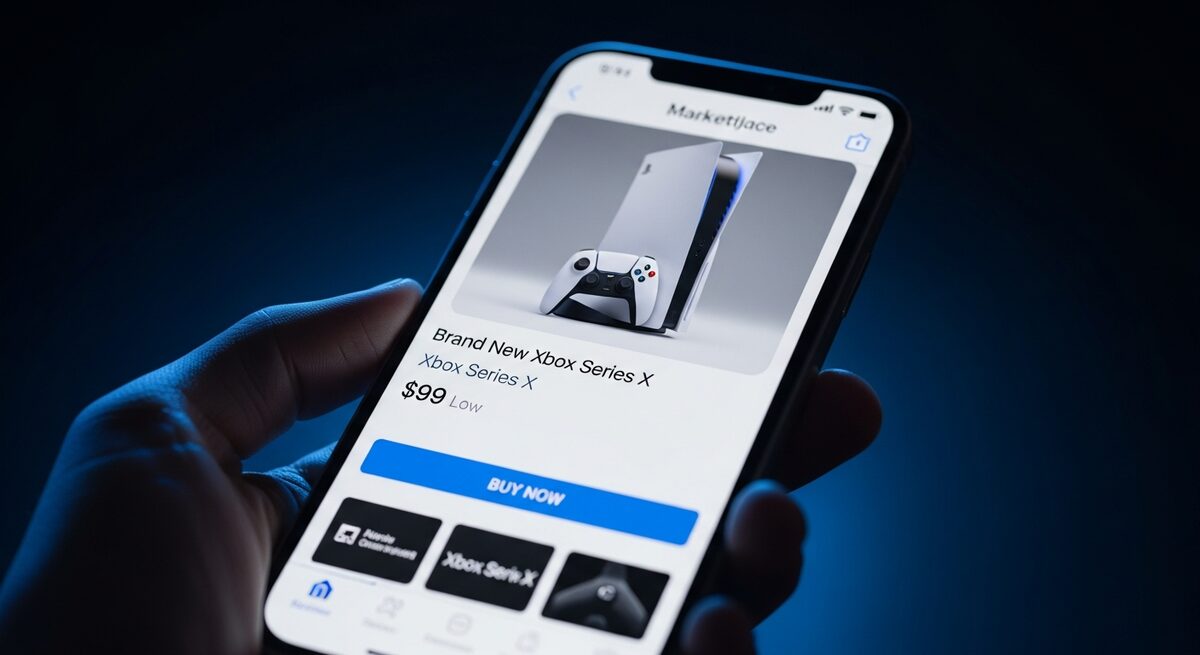
A high-value item — a phone, a console, a bike — listed far below market value is usually a hook. Either the item doesn't exist and they want a deposit, or it's counterfeit or stolen. If the price makes no sense, treat it as a warning, not a win.
Deposit and "hold it for me" scams
The seller asks for a deposit to reserve an item before you can see it. Once you pay, they vanish. There's no legitimate reason to pay a deposit to a private seller before seeing what you're buying.
Bait and switch
The listing shows a nice item; what shows up (or gets shipped) is a cheaper, broken, or completely different one. Inspect anything you buy in person before money changes hands.
Scams that hit both sides
"Let's move off Messenger"
Scammers love pushing the conversation to text, WhatsApp, or email, where there's no record and nothing to report. Keeping the chat on-platform isn't foolproof, but it's an accountability layer worth holding onto. If someone's in a hurry to leave it, that's a flag.
Gift cards and untraceable payments
Any request to pay with gift cards, wire transfer, or to buy something to "release" a payment is a scam, full stop. Gift cards can't be traced or refunded — which is exactly why scammers ask for them.
Manufactured urgency
"I have three other buyers." "It has to be today." Pressure exists to stop you from thinking. Real sellers and buyers can wait an hour for you to be careful.
Why a verified community changes the math
Notice what almost every scam above depends on: you don't actually know who you're dealing with. A stranger with a throwaway account has nothing to lose. That's the structural flaw in an open marketplace, and no amount of caution fully closes it.
This is the entire reason College Marketplace exists. Every single member verifies as a current college student with a valid .edu email and a one-time code before they can browse, post, or message — so you're only ever dealing with real students from real schools, on your own campus. Accountability is built in: there are no anonymous throwaway accounts, and you can report or block anyone in a tap. It doesn't just help you spot scammers; it keeps most of them out entirely.
If you want the deeper version of this, see The Safest Way to Sell Your Stuff Online and, if you're a student, Best Facebook Marketplace Alternatives for College Students.
The bottom line
Marketplace scams look varied but rely on the same few tricks: fake payments, information theft, and pressure. Confirm real payment before releasing anything, never share a code, refuse gift cards and overpayments, keep the chat on-platform, and meet in public. Better yet, transact in a place where everyone's identity is verified up front — so the scam never gets off the ground.
Buying and selling on campus? Get College Marketplace and deal only with verified students at your school.
Frequently asked questions
- What is the most common Facebook Marketplace scam?
- The most common scams are fake or overpayment payment tricks aimed at sellers — a buyer sends a fake payment screenshot or 'accidentally' overpays and asks for a refund. Always confirm money has actually landed in your account before handing over an item.
- Is it safe to sell on Facebook Marketplace?
- It can be, but the platform lets anyone create an account with no identity verification, so sellers regularly deal with fake buyers, no-shows, and payment fraud. Verifying who you're dealing with and using safe payment and meetup practices dramatically lowers the risk.
- How do I avoid getting scammed on Facebook Marketplace?
- Never share a verification code, keep conversations on-platform, refuse gift cards and 'overpayments,' confirm payment in your actual bank or payment app before releasing an item, and meet in a public place during the day.
- What payment methods are safest?
- For in-person sales, cash is safest because there's no screenshot to fake. For digital payment, only accept it once you've opened your own app and confirmed the funds arrived — never trust a screenshot or email notification.