
Is Facebook Marketplace Safe? An Honest Look for Buyers and Sellers

Is Facebook Marketplace Safe? An Honest Look for Buyers and Sellers
Short answer: Facebook Marketplace can be safe, but it isn't safe by default. The platform connects millions of strangers with no identity checks and very little oversight, so the safety of any given deal depends almost entirely on how careful you are. That's a very different thing from a marketplace that's built to be safe.
Here's the honest breakdown of the real risks and what actually lowers them.
Why the risk exists in the first place
The core issue isn't Facebook — it's the model. Anyone can spin up an account in minutes, list anything, and message anyone, with nothing tying that account to a real identity. There's no barrier between you and a person who created their profile that morning specifically to scam someone. Ratings and profile history help a little, but they're easy to fake or bypass.
So when people ask "is it safe," the accurate answer is: it's an open market, and open markets attract both normal people and opportunists.
The real risks for buyers
- Fake or non-existent items — you pay (or put down a deposit) and nothing arrives.
- Counterfeits — brand-name goods at a suspiciously low price are often knockoffs.
- Deposit scams — a seller asks you to "reserve" an item with a deposit, then disappears.
- Bait and switch — the item you receive isn't the item in the photos.

The real risks for sellers
- Fake payment proof — a doctored screenshot that makes it look like you were paid.
- Overpayment tricks — a scammer "overpays" and asks for the difference back before their fake payment bounces.
- Verification-code theft — a "buyer" asks you to read back a code, using it to hijack your number or an account.
- No-shows and time-wasters — not dangerous, just a drain.
For a full walkthrough of each, see Common Facebook Marketplace Scams Every Seller Should Know.
The risk everyone shares: meeting a stranger
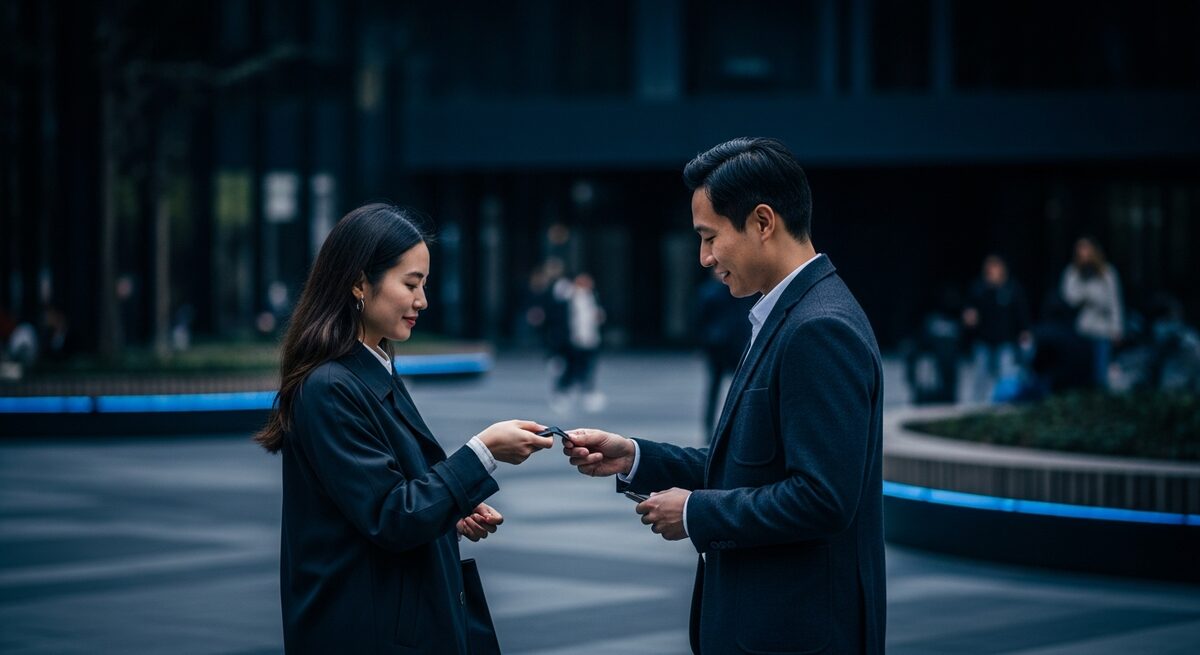
Beyond money, there's the physical side. Local pickups mean meeting someone you've never met, often at a home address. The overwhelming majority of these go fine — but "meet a stranger from the internet at their house" is a sentence worth pausing on. Meeting in public, during the day, is the single easiest safety upgrade. We cover this in How to Meet Safely When Selling Locally.
How to make Facebook Marketplace safer
If you're going to use it, these habits remove most of the risk:
- Confirm payment landed in your account before releasing anything — never trust a screenshot.
- Never share a verification code with anyone, for any reason.
- Refuse gift cards, wire transfers, and overpayments.
- Keep the conversation on-platform.
- Inspect items in person before paying.
- Meet in a public, well-lit place during daytime hours.
- Trust your gut — if it feels off, walk away.
The safer-by-design alternative
Every tip above is you compensating for a marketplace that doesn't know who its users are. The alternative is a marketplace where that problem is solved before you ever start a conversation.
College Marketplace verifies every member as a current college student through their .edu email before they can browse, post, or message. You're not dealing with anonymous strangers — you're dealing with real students from your own campus, with reporting and blocking built in. It doesn't ask you to be constantly on guard; it removes most of what you'd be on guard against.
Bottom line
Is Facebook Marketplace safe? It's usable if you're disciplined, but it puts the entire burden of safety on you. A verified, student-only marketplace flips that — safety is built into who's allowed in. If you're a student, that's a meaningfully better deal.
Want to skip the guesswork? Get College Marketplace and buy and sell only with verified students at your school.
Frequently asked questions
- Is Facebook Marketplace safe to buy from?
- It can be, but there's no identity verification, so buyers face fake listings, counterfeit goods, and deposit scams. Inspect items in person, never pay a deposit before seeing what you're buying, and avoid deals that seem too good to be true.
- Is Facebook Marketplace safe to sell on?
- Sellers face fake payment screenshots, overpayment scams, no-shows, and verification-code theft. It's safer if you confirm real payment before releasing an item, never share a code, and meet in a public place.
- What are the biggest risks on Facebook Marketplace?
- The biggest risks are payment fraud, identity theft through shared verification codes, counterfeit or non-existent items, and meeting strangers in unsafe locations.
- Is there a safer alternative to Facebook Marketplace?
- Yes — marketplaces that verify every user reduce risk significantly. For college students, an .edu-verified, student-only marketplace means you're only dealing with real students from your campus rather than anonymous strangers.